
Tokyo is massive. Most first-time visitors stick to Shibuya Crossing, Senso-ji Temple, and the same handful of spots everyone posts on Instagram. Those places are fine, but they’re not the Tokyo that locals actually love.
This guide is different. These are neighbourhoods where you’ll find fewer tourists, better food, and a real sense of what living in Tokyo feels like. Plus day trips that get you out of the city without the hassle.
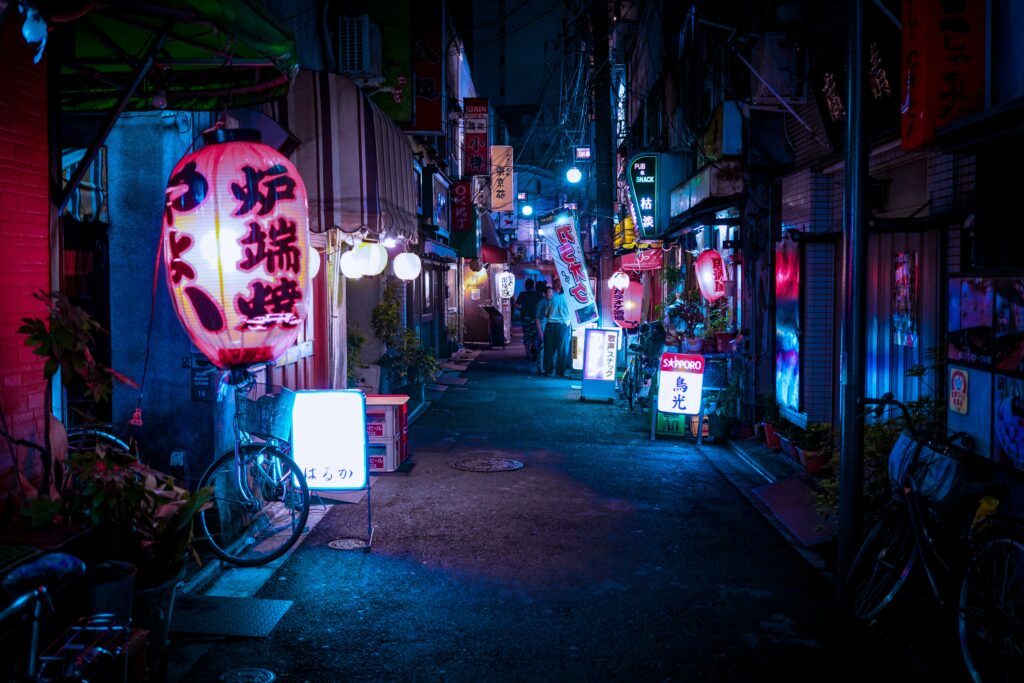
Tokyo Neighbourhoods Worth Your Time
Yanaka (谷根千 / Yanesen)
Old Tokyo survived here. While most of the city was bombed in WWII and rebuilt, Yanaka kept its narrow streets, wooden houses, and neighbourhood feel.
What to do:
- Walk down Yanaka Ginza shopping street — tiny shops selling snacks, crafts, and croquettes
- Visit Yanaka Cemetery — sounds morbid, but it’s peaceful and full of cherry trees
- Get lost in the backstreets and find temples tucked between houses
- Try a menchi katsu (fried meat patty) from one of the street vendors
Best for: slow walkers, photographers, people tired of shiny modern Tokyo
Koenji (高円寺)
Tokyo’s bohemian neighbourhood. Vintage shops, vinyl record stores, cheap izakayas, and live music venues packed into narrow streets. It’s a bit grungy, a bit weird, and completely unpretentious.
What to do:
- Dig through vintage clothing stores — some of the best secondhand shopping in Tokyo
- Bar hop in the evening — tiny standing bars with 5-6 seats max
- Catch a live show at one of the small venues
- Visit during Awa Odori festival in August if you can (massive street dancing event)
Best for: night owls, vintage lovers, anyone who finds Harajuku too polished
Daikanyama (代官山)
Tokyo’s answer to Brooklyn or Notting Hill. Quiet, leafy streets lined with independent boutiques, design shops, and cafes. The polar opposite of Shibuya, even though it’s walking distance away.
What to do:
- Spend hours at Tsutaya Books — not just a bookstore, it’s a lifestyle experience with a Starbucks, music, and magazines from around the world
- Window shop the independent boutiques
- Have coffee at one of the many quiet cafes
- Walk over to Nakameguro along the river
Best for: design lovers, people who want a slower pace, coffee snobs
Shimokitazawa (下北沢)
Vintage shops, curry restaurants, tiny theatres, and a creative energy that’s hard to find elsewhere in Tokyo. It used to be scruffier before redevelopment, but it still has more character than most neighbourhoods.
What to do:
- Shop for vintage clothes and records
- Eat curry — Shimokita is weirdly famous for it
- Check out the small theatre scene
- Wander without a plan
Best for: young travelers, thrift shoppers, theatre nerds
Kuramae (蔵前)
Brooklyn vibes in Tokyo. Former warehouse district turned hipster haven. Craft coffee roasters, leather workshops, stationery shops, and boutique hotels.
What to do:
- Visit Kakimori — customise your own notebook
- Try specialty coffee at any of the local roasters
- Browse the craft and design shops
- Walk along the Sumida River
Best for: stationery addicts, craft enthusiasts, Instagram aesthetes
Oku-Shibuya (奥渋谷)
“Deep Shibuya” — the backstreets behind the chaos. While everyone fights through the crowds at the crossing, locals escape to Oku-Shibuya’s quiet cafes and wine bars.
What to do:
- Have coffee at one of the hidden cafes
- Browse Shibuya Publishing & Booksellers
- Eat at small restaurants where you’ll be the only tourist
- Actually relax in Shibuya (yes, it’s possible)
Best for: people staying in Shibuya who want to escape it
Day Trips: Cities & Culture
Yokohama (横浜)
30 minutes from central Tokyo, but a completely different feel. More spacious, more waterfront, more chill. Japan’s largest Chinatown is here.
What to do:
- Eat your way through Chinatown
- Walk the Minato Mirai waterfront
- Visit the Ramen Museum in Shin-Yokohama (yes, a whole museum dedicated to ramen)
- Check out the Red Brick Warehouse for shopping and events
Getting there: 30 min from Shibuya on the Toyoko Line
Kawagoe (川越)
“Little Edo” — an old merchant town that looks like you stepped back 200 years. Traditional warehouse buildings, a famous bell tower, and a whole street dedicated to sweet potatoes.
What to do:
- Walk Kurazukuri Street lined with Edo-period buildings
- Hear the Toki no Kane bell tower chime
- Stuff yourself with sweet potato everything on Candy Alley
- Try unagi (eel) at one of the old restaurants
Getting there: 45 min from Ikebukuro on the Tobu Tojo Line
Day Trips: Nature & Mountains
Mount Takao (高尾山)
The most accessible mountain hike from Tokyo. Michelin gave it three stars, which means it’s popular, but for good reason. You can hike up or take a cable car halfway.
What to do:
- Hike one of several trails (Trail 1 is easiest, Trail 6 has a river)
- Take the cable car up and walk down
- Eat tororo soba (grated yam noodles) at the top
- Visit Yakuo-in Temple near the summit
Getting there: 50 min from Shinjuku on the Keio Line to Takaosanguchi
Okutama (奥多摩)
Tokyo has mountains. Most visitors never find this out. Okutama is at the far western edge of Tokyo — rivers, forests, hiking trails, and an escape from concrete.
What to do:
- Hike along the Tama River
- Visit Nippara Limestone Cave
- Walk across the suspension bridges
- Just breathe air that doesn’t smell like city
Getting there: 90 min from Shinjuku on the JR Chuo and Ome Lines
Practical Tips
Getting Around
Get a Suica or Pasmo IC card immediately. You can tap in and out of all trains and buses without buying tickets. Also works at convenience stores. Rechargeable at any station.
Cash Still Matters
Japan has come a long way with card payments, but small shops, some restaurants, and many izakayas are still cash only. Always have ¥10,000-20,000 on you.
Trains Stop at Midnight
Last trains are usually around midnight. Miss it and you’re either paying for a taxi or waiting at a manga cafe until 5am when trains start again.
Convenience Stores Are Your Friend
7-Eleven, Lawson, and Family Mart aren’t like convenience stores back home. Fresh onigiri, good coffee, ATMs that work with foreign cards, and clean toilets. Use them.
Final Thoughts
Tokyo rewards curiosity. The best experiences aren’t at the places with the longest lines — they’re down the side streets, in the tiny bars, and in the neighbourhoods that don’t show up in most guidebooks.
Skip the tourist traps. Wander. Get a little lost. That’s when Tokyo gets interesting.
Written by Ayaka Uchida — Tokyo native, now based in London. CEO of A-Digital Works, founder of Nihon GO! World.